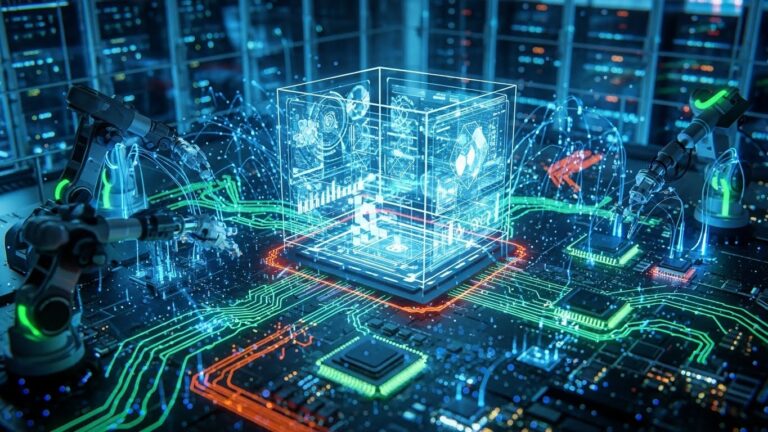
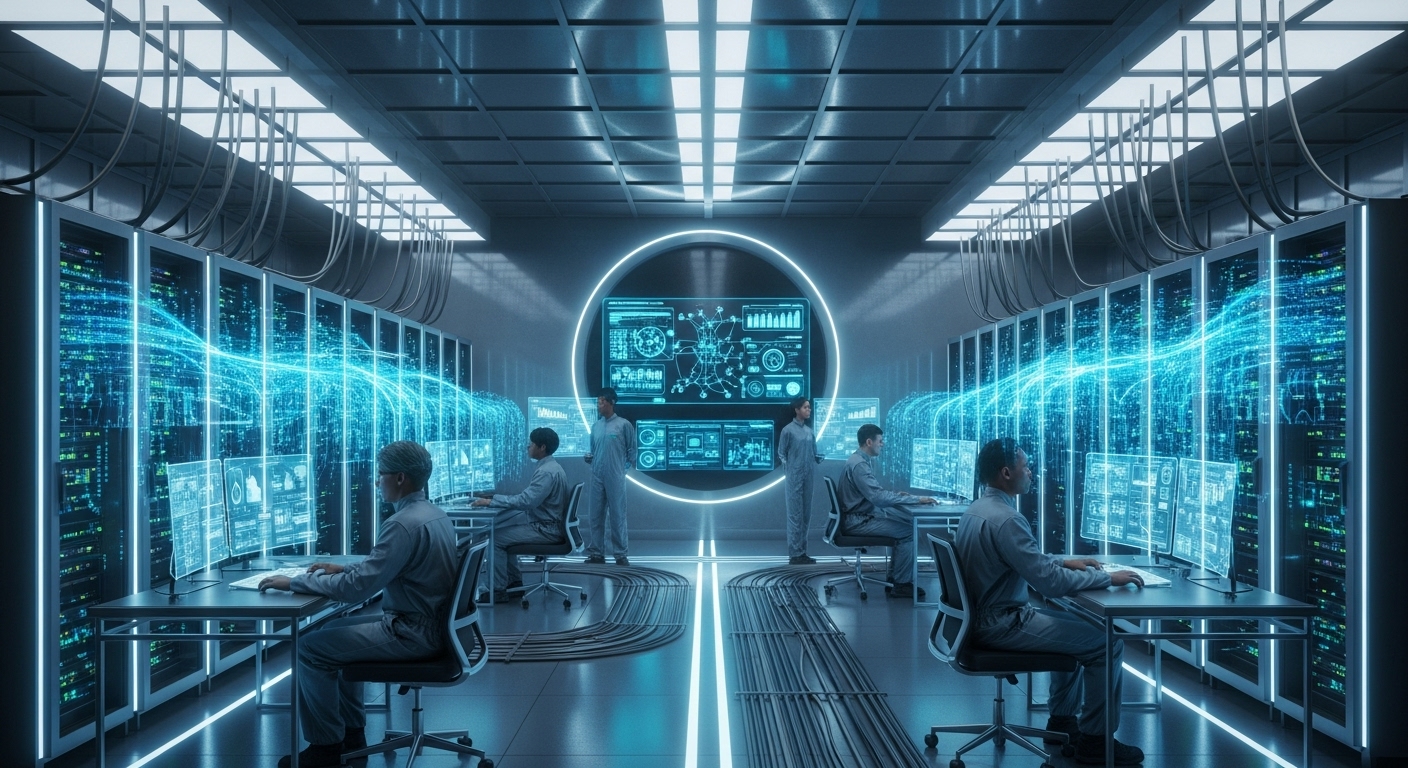
Technology is no longer just a tool—it is the foundation of our modern existence. From the way we communicate to how we learn and work, technology shapes every aspect of our daily lives. It connects us, empowers us, and continually pushes the boundaries of what humanity can achieve.
The Journey of Technological Growth
The evolution of technology has been a remarkable journey. Early humans relied on simple tools to survive, while today, we rely on complex digital systems to thrive. From the invention of the printing press to the rise of the internet, every innovation has brought society closer together. This continuous advancement shows how human curiosity and creativity drive progress and innovation.
Technology in Everyday Living
Technology has seamlessly integrated into our routines. Smartphones, smart homes, and wearable devices make tasks faster and more efficient. We can manage finances, order food, or attend virtual meetings with a simple tap on a screen. Beyond convenience, technology enhances comfort and accessibility, making the modern lifestyle more connected and efficient than ever before.
The Rise of Artificial Intelligence
Artificial intelligence is transforming industries across the world. Machines can now learn, adapt, and perform tasks that once required human intelligence. From predictive healthcare systems to virtual assistants, AI is helping businesses grow and making daily life more intuitive. However, as AI becomes more powerful, it also raises important questions about ethics, job roles, and human dependency on machines.
Technology and Education
The impact of technology on education is revolutionary. Online learning platforms, digital classrooms, and interactive resources have opened new pathways for global education. Students can now learn from anywhere, at any time, breaking traditional barriers of geography and cost. Technology has turned education into a dynamic and inclusive experience that caters to diverse learning needs.
The Economic Impact of Technology
Technology is a key driver of the global economy. It fuels innovation, creates jobs, and helps businesses reach new markets. The growth of startups, e-commerce, and digital banking has transformed how industries operate. Automation and data analytics have made processes faster and more accurate, allowing businesses to make smarter decisions in real time.
Challenges in the Tech-Driven Era
Despite its benefits, technology presents challenges that must be addressed responsibly. Issues such as data privacy, cybercrime, and overreliance on digital tools have become growing concerns. It is essential to maintain a balance between embracing innovation and protecting ethical standards. Responsible use of technology ensures that progress benefits everyone equally.
The Future of Technology
The future promises even greater technological transformations. Advancements in robotics, quantum computing, and sustainable energy will redefine how we live and interact. As technology continues to evolve, humans must adapt alongside it—learning new skills, embracing creativity, and remaining open to change. The future belongs to those who innovate and dream beyond the limits of the present.
Conclusion
Technology is not just changing the world—it is shaping the way we see it. It connects people, builds opportunities, and inspires new ideas every day. As we move forward, the power of technology will continue to influence every part of our lives, creating a smarter, more connected, and more sustainable future for generations to come.
About the Author